AI agent concepts, explained
Plain-English explainers for AI agent concepts: tool use, memory, orchestration, evaluation, safety, refusal policy, stopping conditions, and the rest of the agent stack. Written for non-researchers who need to make build vs buy calls.
AI Agent Success Metrics: 12 KPIs to Track and How to Measure Them
Most teams deploy AI agents and then track nothing. Or they track one metric, usually accuracy, and call it done. That approach misses most of the picture. Gartner predicts over 40% of agentic AI projects will be…

AI Agent Secret Management: Store Keys and Tokens Safely
An AI agent that calls five APIs holds five sets of credentials that an attacker can steal. That's not a hypothetical risk. The 2024 IBM Cost of a Data Breach Report found that stolen or compromised credentials…

AI Agent Performance Tuning: Cut Latency and Token Waste
Your AI agent works. It answers questions, calls tools, returns useful output. But it takes eight seconds to respond, and your token bill keeps climbing. Sound familiar? Performance tuning is the difference between…
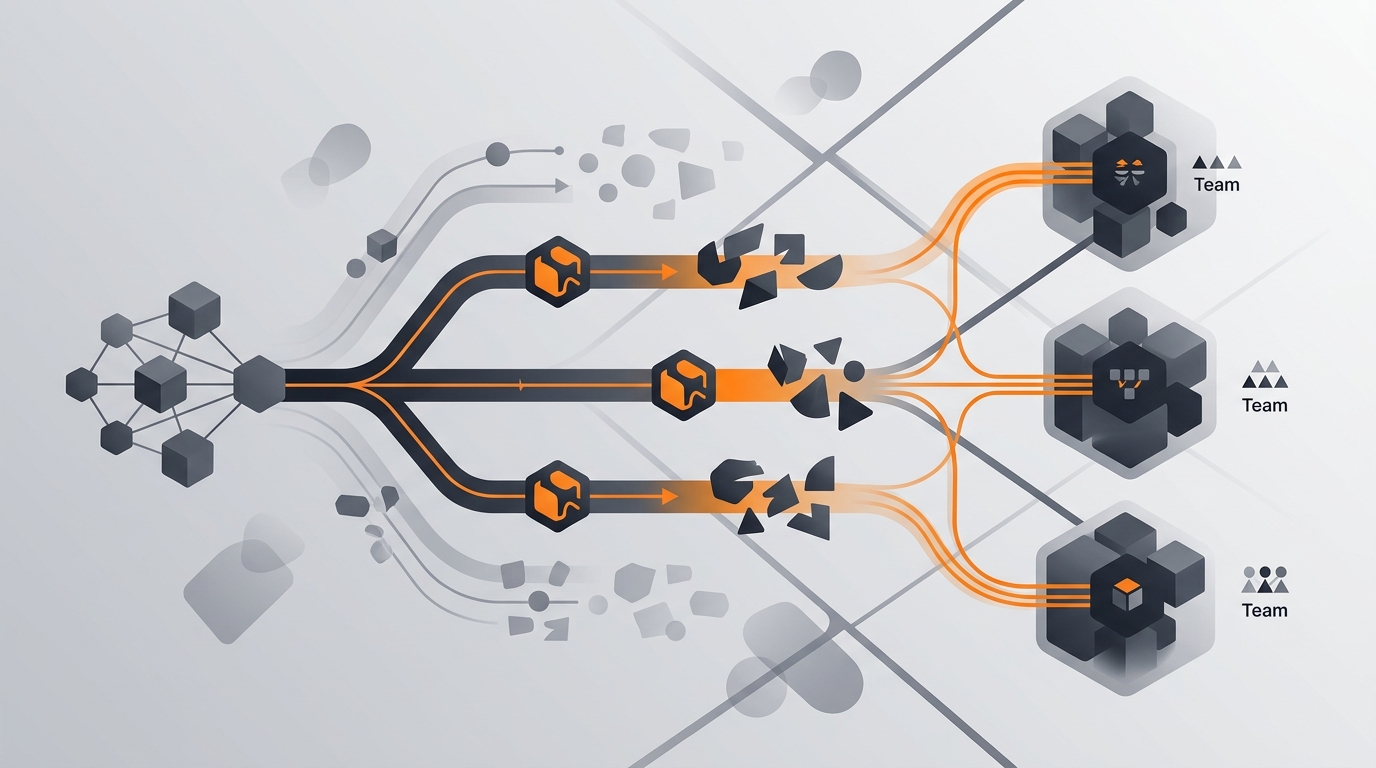
AI Agent Cost Attribution: Track Spend by Agent, Task, and Team
Your company runs 15 agents across four departments. The LLM bill arrives as a single line item. Finance asks: "Who spent what?" You don't have an answer. That gap between aggregate spend and per-team accountability…

The AI Agent Security Checklist for 2026: 47 Controls Every Team Should Verify
Prompt injection is the #1 risk on the OWASP LLM Top 10 (OWASP, 2025). Agents amplify every LLM risk by adding tools, persistence, and autonomy. This checklist gives you 47 controls across 10 categories. Each control…

AI Agent Handoff Patterns: 8 Contracts That Don't Drop Work
A handoff is the contract between two agents (or one agent and a human) that specifies what gets passed, when, and what happens if the receiver is unavailable. Eight patterns cover most production cases. LangGraph,…
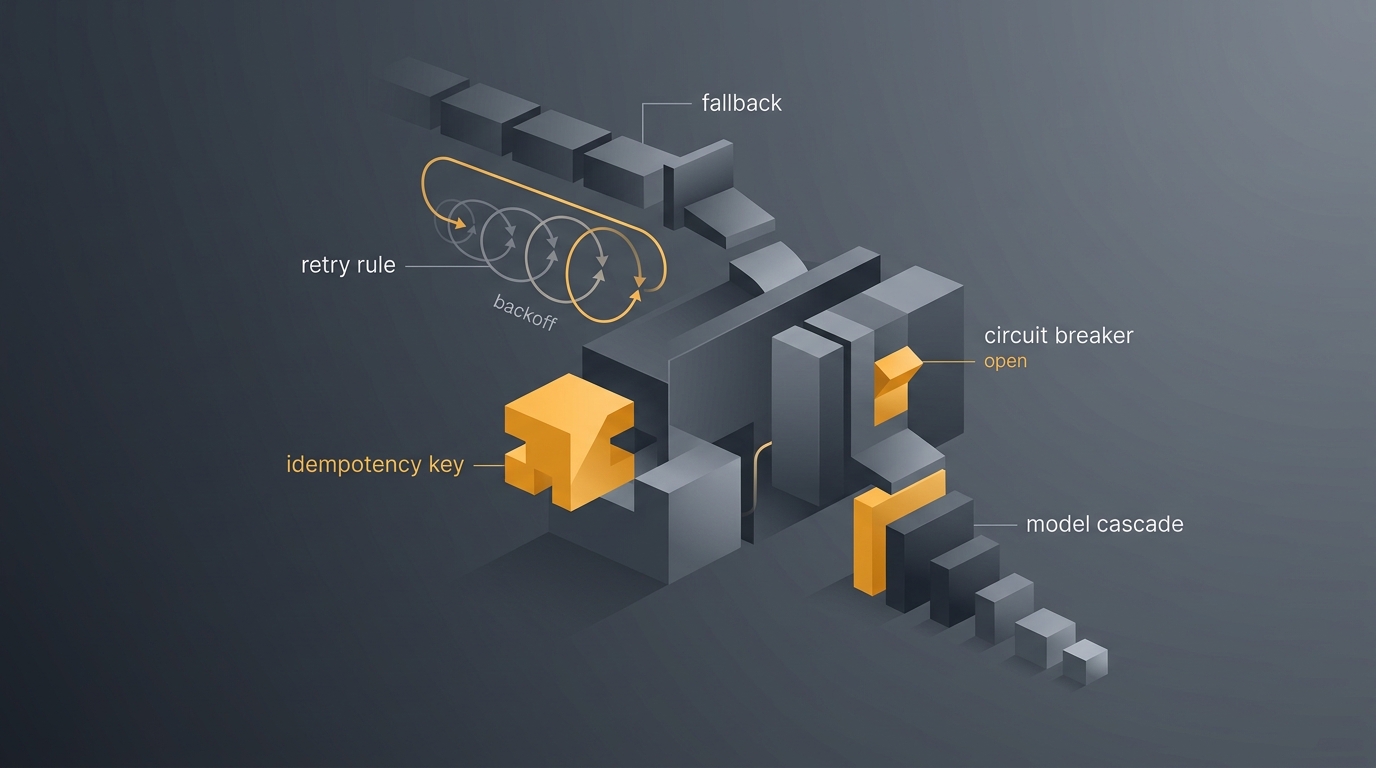
AI Agent Fallback and Retry: A 2026 Playbook for Idempotency, Backoff, and Model Cascades
Naive retries amplify outages; smart retries absorb them. The Google SRE book defines a retry budget so retries can't exceed a fixed fraction of normal load (Google SRE, ch. 22). For AI agents the same logic applies…

AI Agent Unit Economics for Builders (2026)
Builders keep asking the same question: is this agent actually worth shipping? Most answers floating around treat AI agents like SaaS products with seat counts and CACs. They are not. An agent is a piece of software…
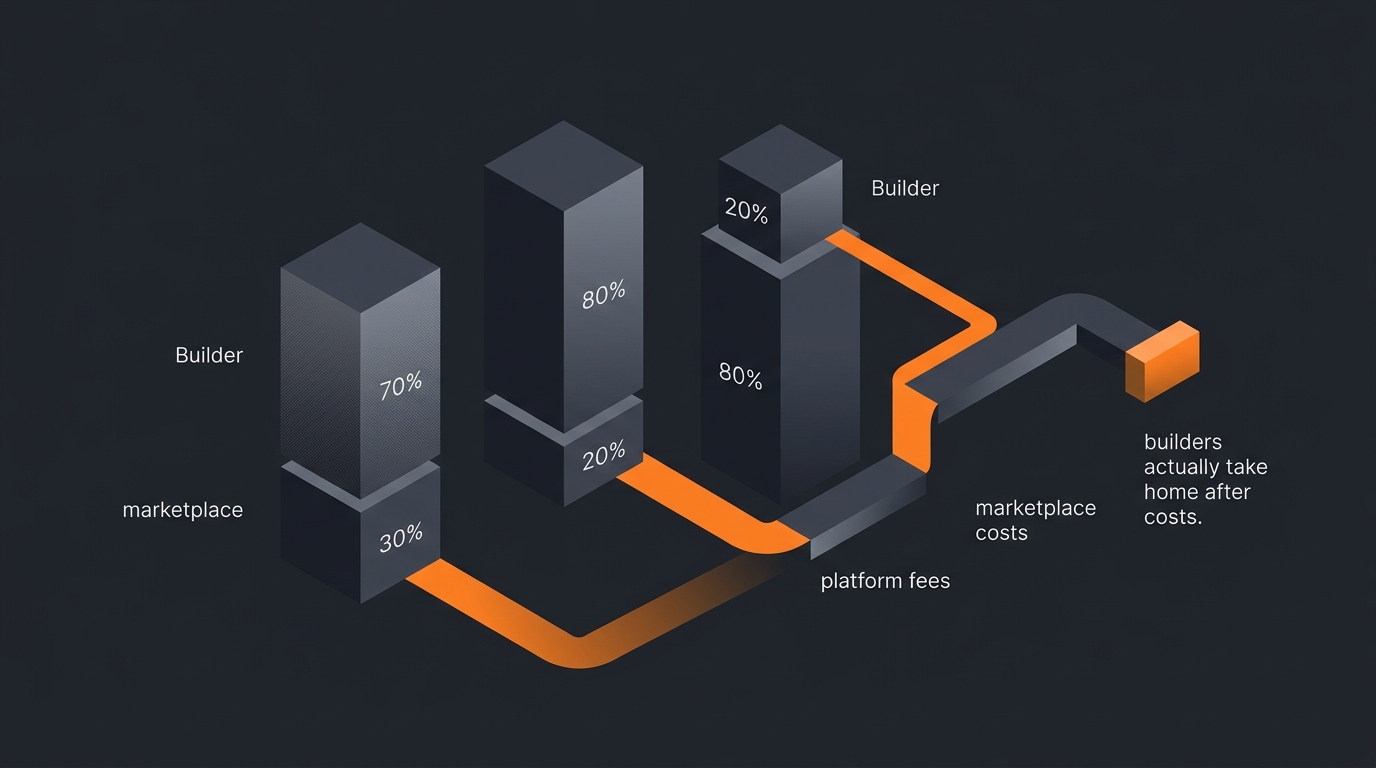
AI Agent Marketplace Splits Compared (2026)
Most builders look at a marketplace headline split, 70/30, 80/20, 95/5, and stop reading. That's the expensive mistake. The percentage is the smallest variable in the equation. What matters is everything sitting…

AI Agent Marketplace: The Complete 2026 Guide
Most teams don't need another tool to build an AI agent. They need an agent that already works. According to McKinsey's State of AI 2025 survey, 88% of organizations now report regularly using AI in at least one…

AI Agent Pricing in 2026: What Agents Cost Per Month
AI agent pricing pages are designed to look comparable when the models behind them are not. A flat-fee platform at one hundred dollars per month can be cheaper or more expensive than a usage-based platform at five…
AI Agent Platforms with No Vendor Lock-in (2026)
"No vendor lock-in" is one of the most overused phrases on enterprise pricing pages. Every platform has some lock-in. The honest question is which lock-ins you can live with and which would be catastrophic if you had…

AI Agent Platforms with the Best Integrations (2026)
The "most integrations" claim is the cheapest one a SaaS marketing page can make. Counting connectors does not tell you whether the platform can do real agent work inside each one. A platform with five hundred…
AI Agent Update Cycles: Safe Change Management for Production Agents
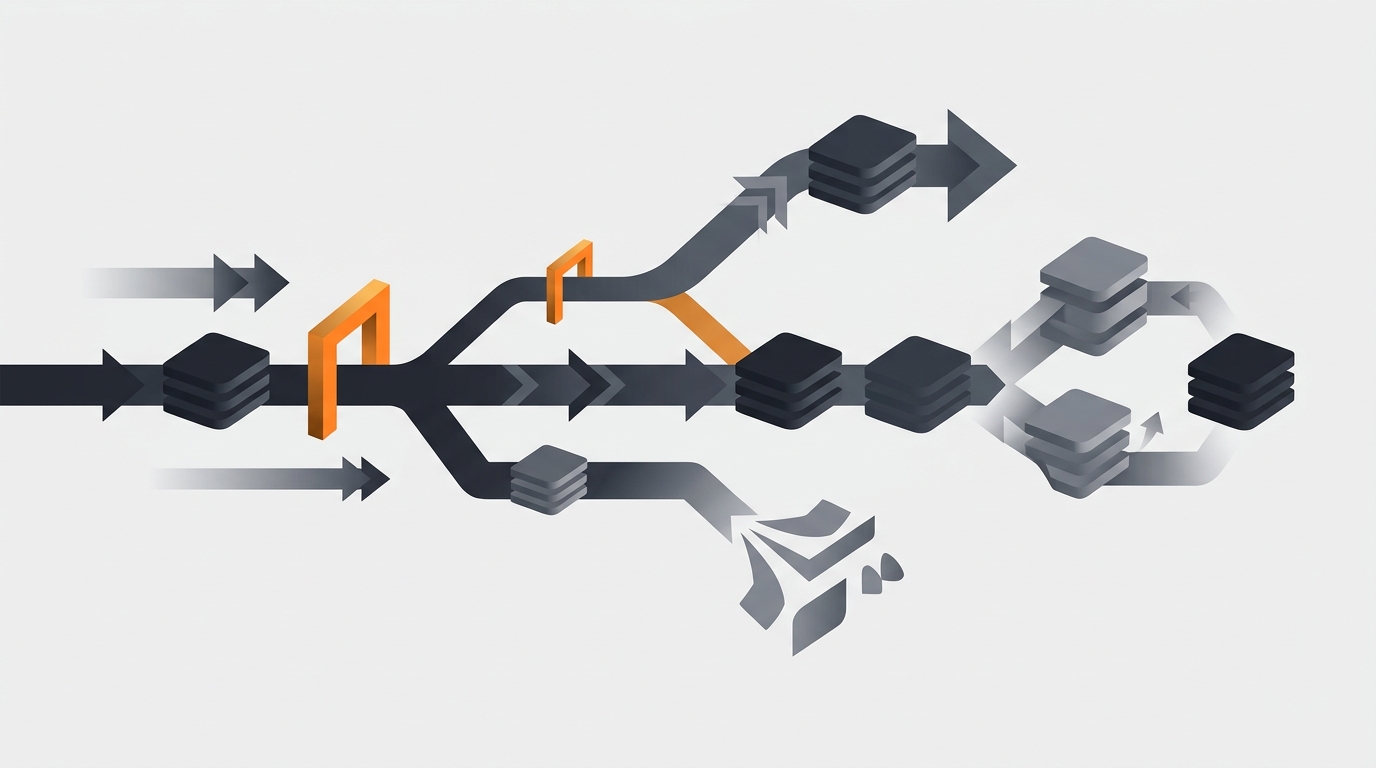
Production AI agents need updates. Models improve. Prompts get tighter. Tools get added. The team finds a way to make the stopping rule clearer. The question is not "should we update" but "how do we update without…

AI Agent State Management: Memory, Checkpoints, and Durability
The single hardest non-model problem in agent engineering is state. The model is stateless. Every other part of the system that gives it the illusion of continuity, of memory, of resumption, is your code. Get it…
AI Agent Prompt Versioning: Storage, Promotion, Rollback
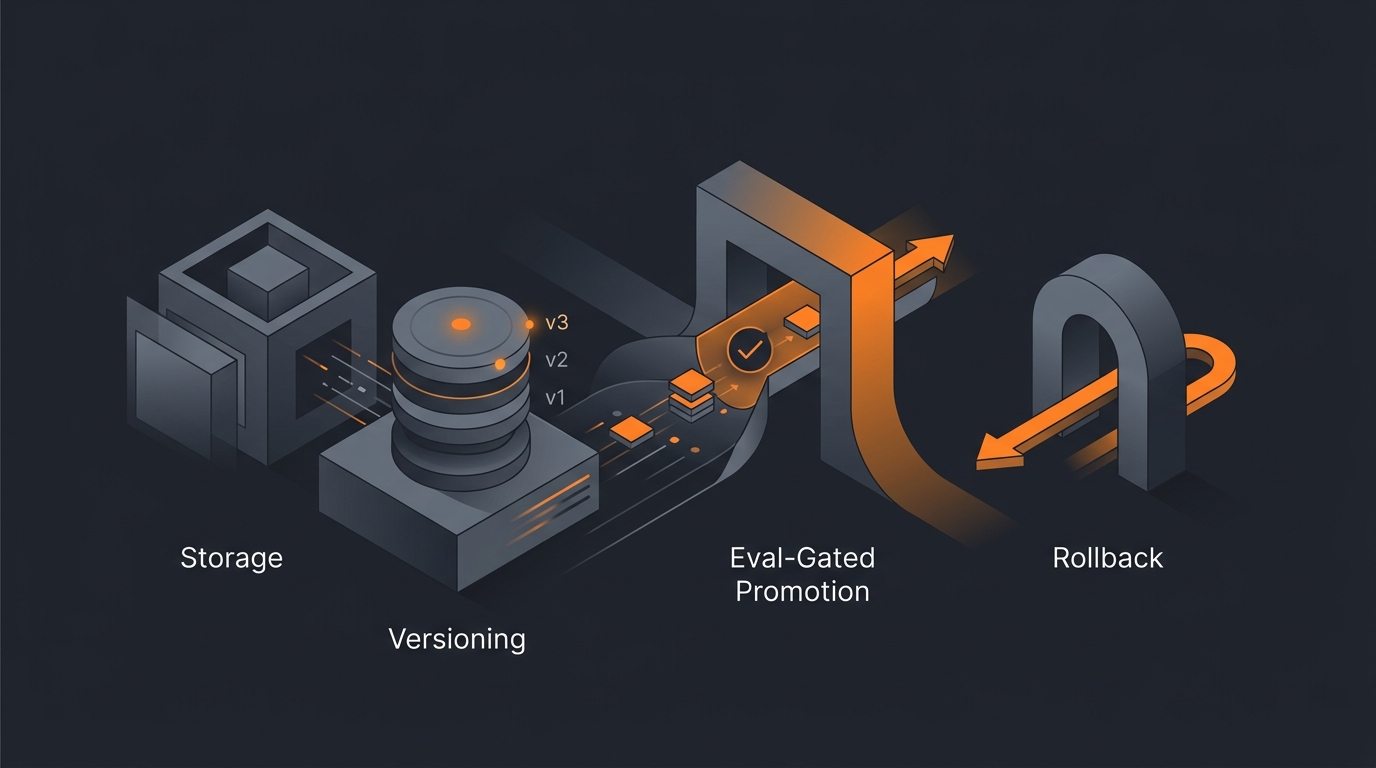
Code without version control is a hobby. Prompts without version control are a liability. The reason most agent prompts produce silent regressions in week six is not that the prompt got worse; it is that nobody can…
AI Agent Prompt Engineering: 5 Parts of a Production Prompt
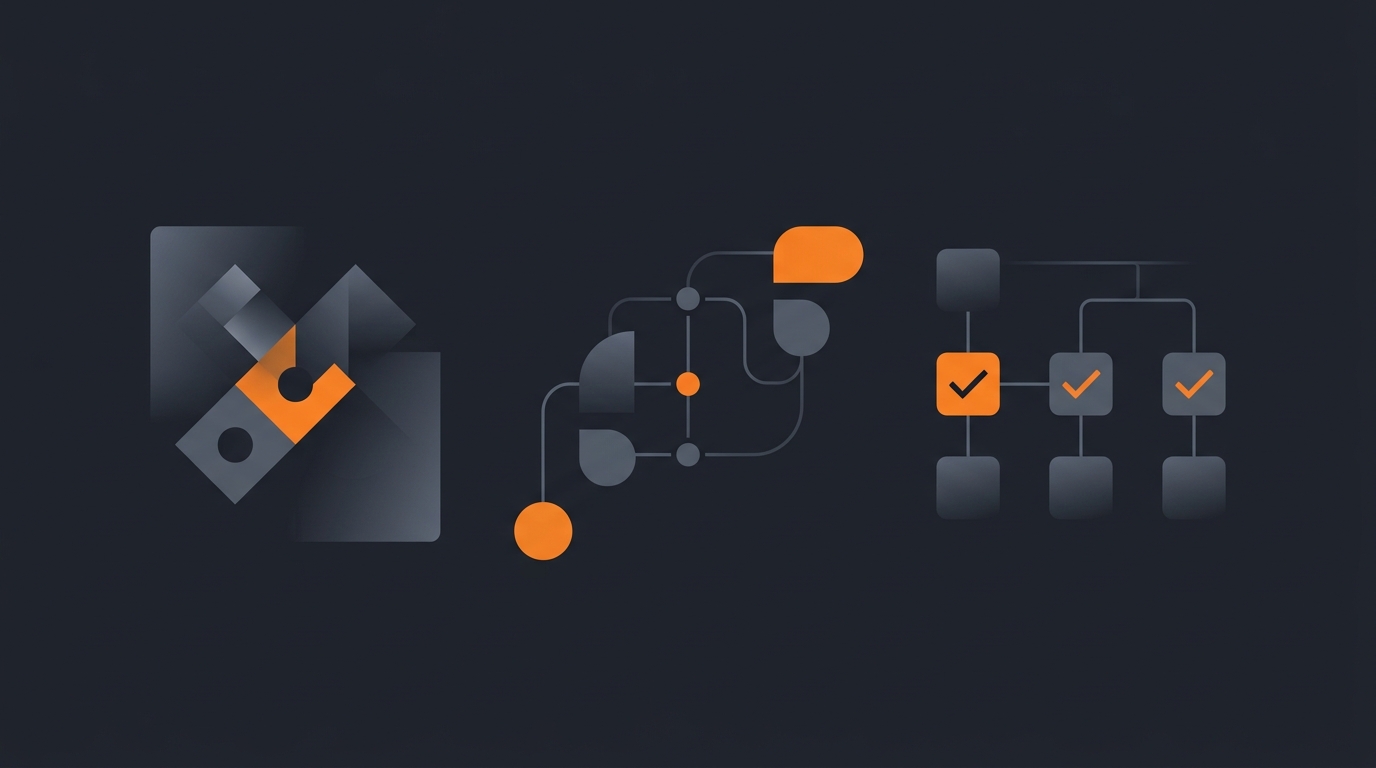
Prompt engineering for AI agents is not the same craft as prompt engineering for chatbots. A chatbot prompt shapes one response. An agent prompt shapes a loop: the model picks a tool, reads the result, decides…
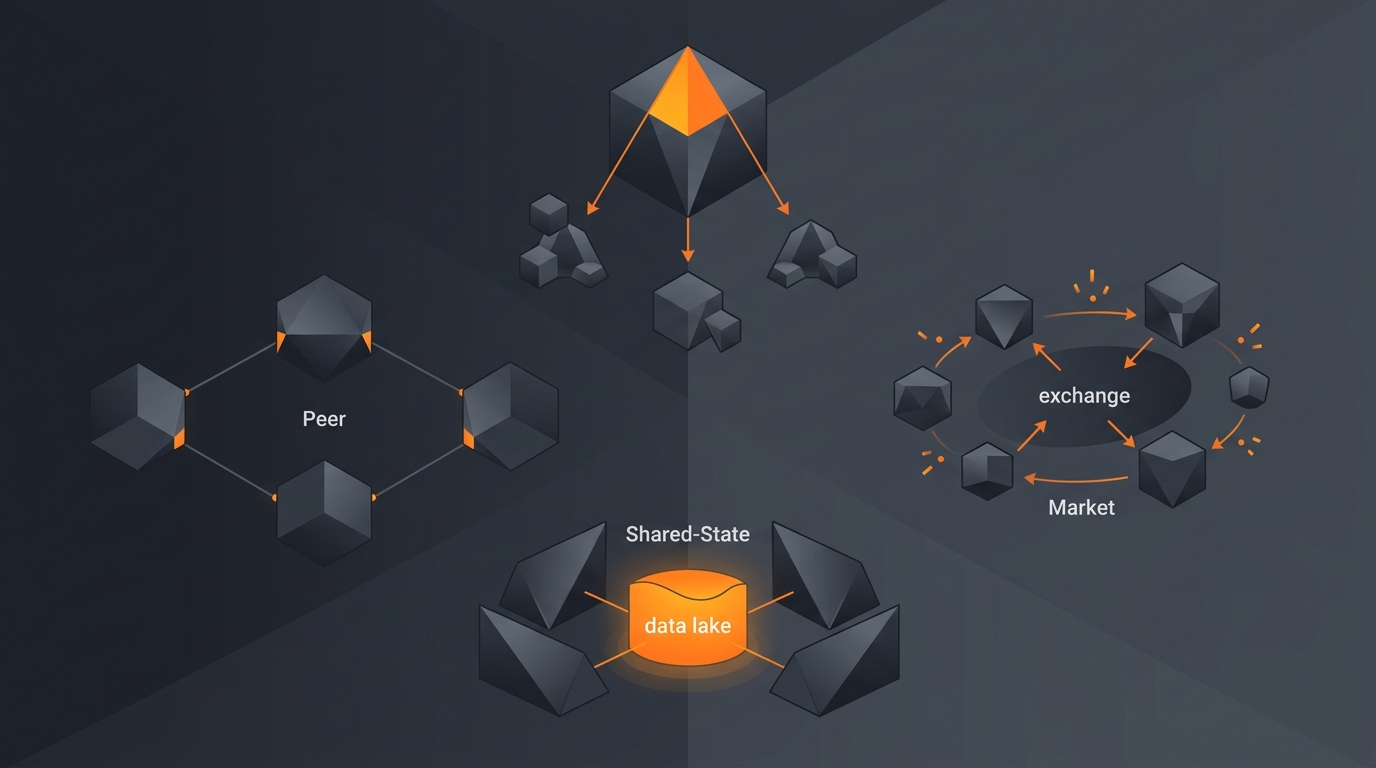
Multi-Agent Coordination Patterns: Supervisor, Peer, Market, Shared-State
The intuition that "more agents will do better than one agent" is wrong more often than it is right. Most production multi-agent systems exist because the work has genuine boundaries (different access controls,…

AI Agent Integration Patterns: Webhook, OAuth, MCP, Polling, Queue
Most AI agent failures in production are not model failures. They are integration failures. A webhook arrives twice and the agent acts twice. An OAuth refresh fails silently and the agent runs unauthenticated. A…

AI Agent Data Residency: EU, India, US Architecture Patterns
Data residency is one of the silent gating items for enterprise sales of AI agents. The product can be perfect, but if the prompts leave the EU, the deal dies. This guide is the architecture playbook for…
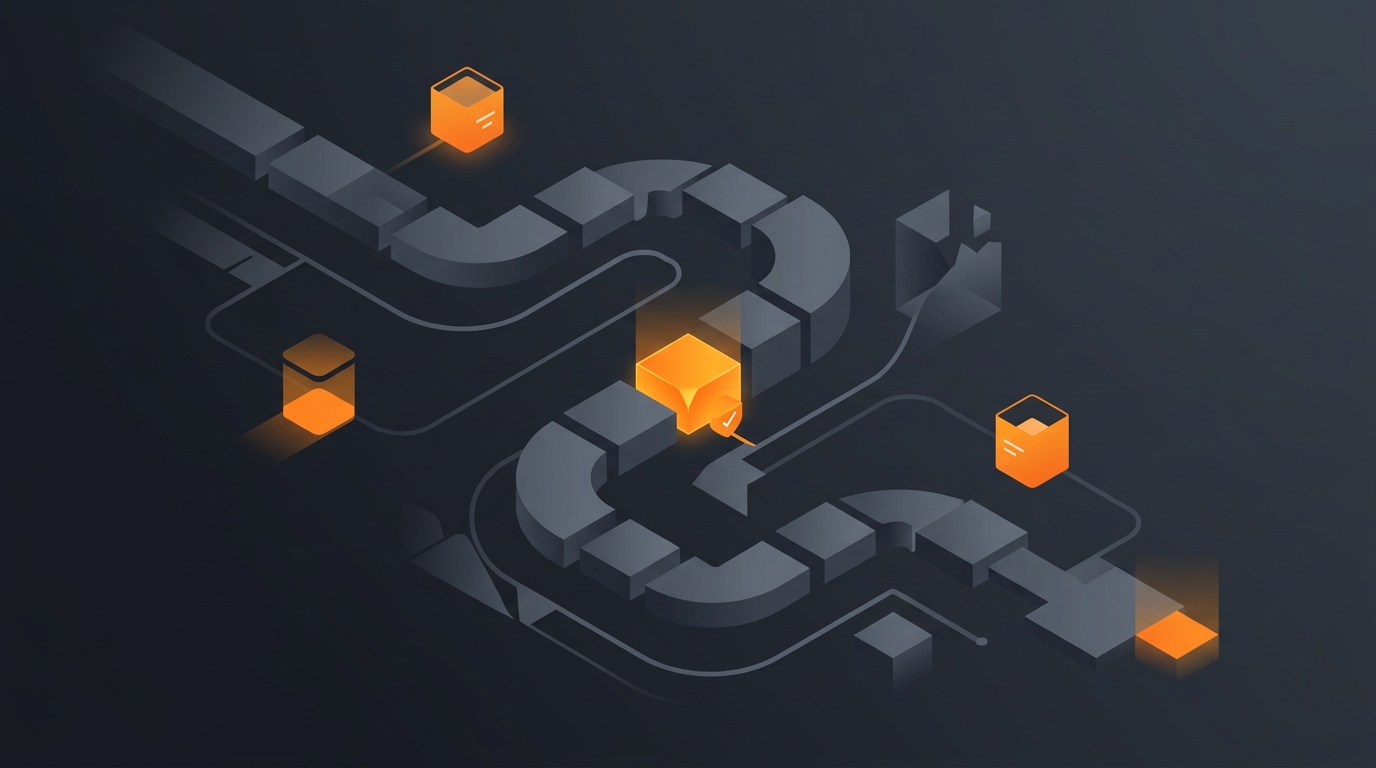
AI Agent Audit Trails: A Logging Design Guide
An AI agent's audit trail is the difference between "the agent took an action" and "we know why the agent took that action." It is what enables incident response, compliance audits, and the kind of post-hoc analysis…
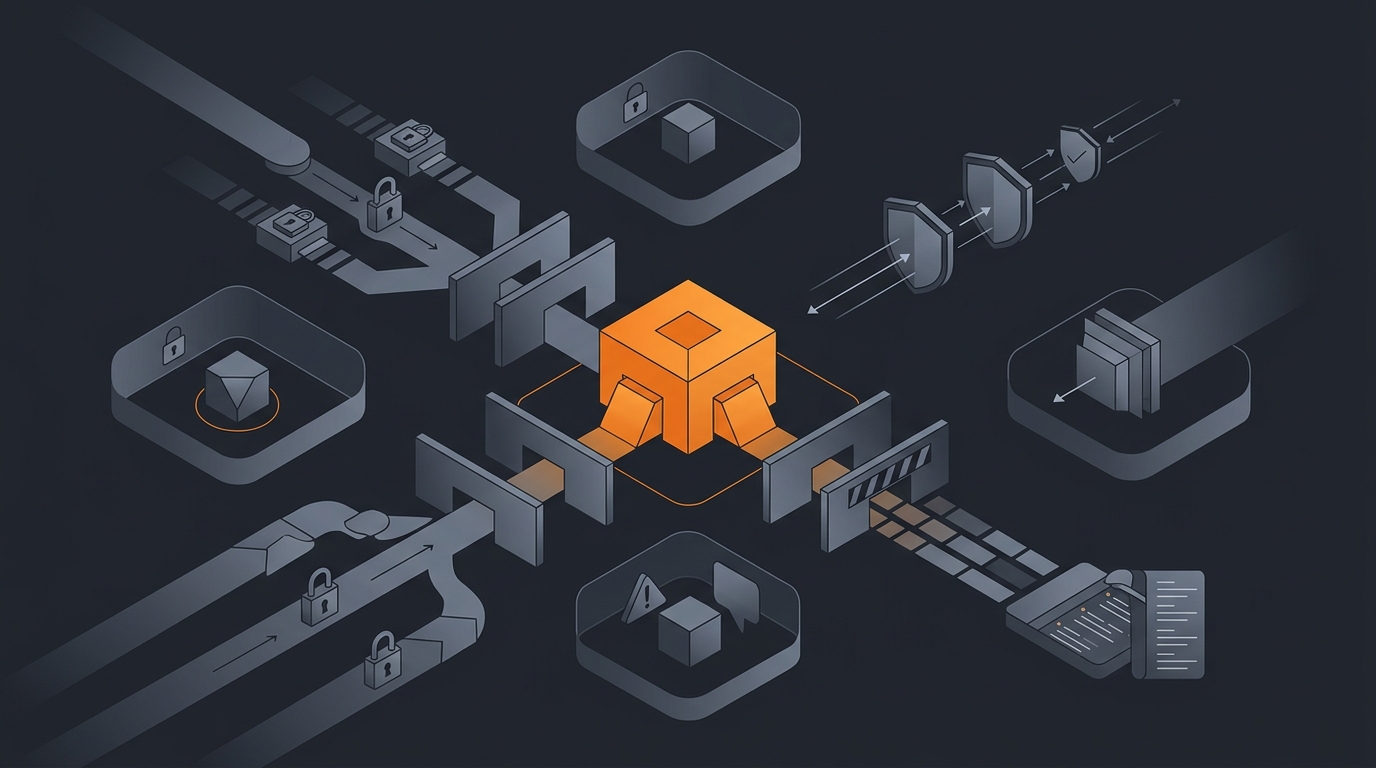
AI Agent Security Best Practices: A 2026 Production Playbook
Most security guides written for large language models stop at the prompt boundary. They assume a single completion, no tools, no state, no autonomy. That model has not described production deployments for at least…
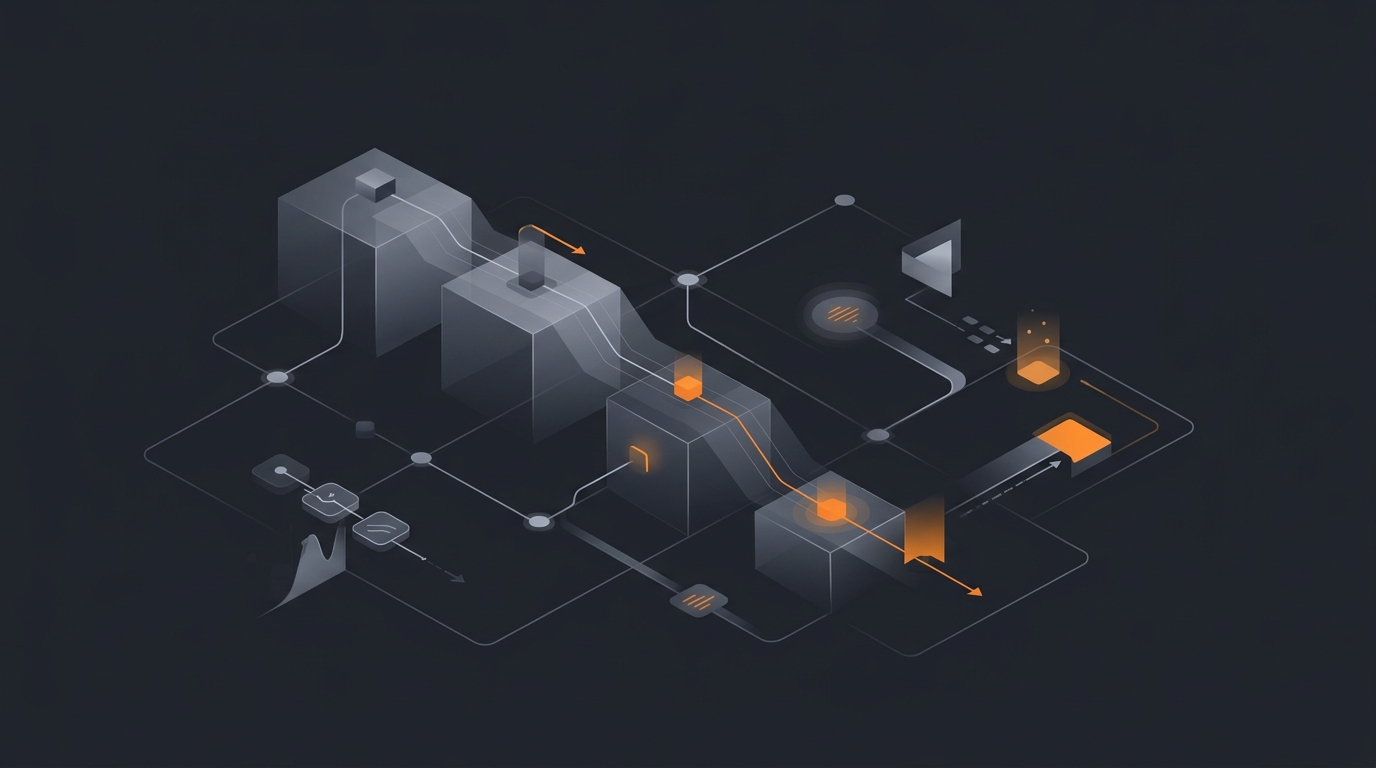
AI Agent Monitoring and Observability: A 2026 Production Playbook
The first time I shipped an agent without proper observability I did not notice quality degradation for nine days. Token costs were stable, latency was fine, error rates were nominal. The agent was answering…

AI Agent Governance and Compliance: A 2026 Operating Guide
For most of 2024 and the first half of 2025, AI governance for agents was a tomorrow problem. By mid-2025 it had become a this-quarter problem. The EU AI Act began entering force in stages, the NIST Generative AI…
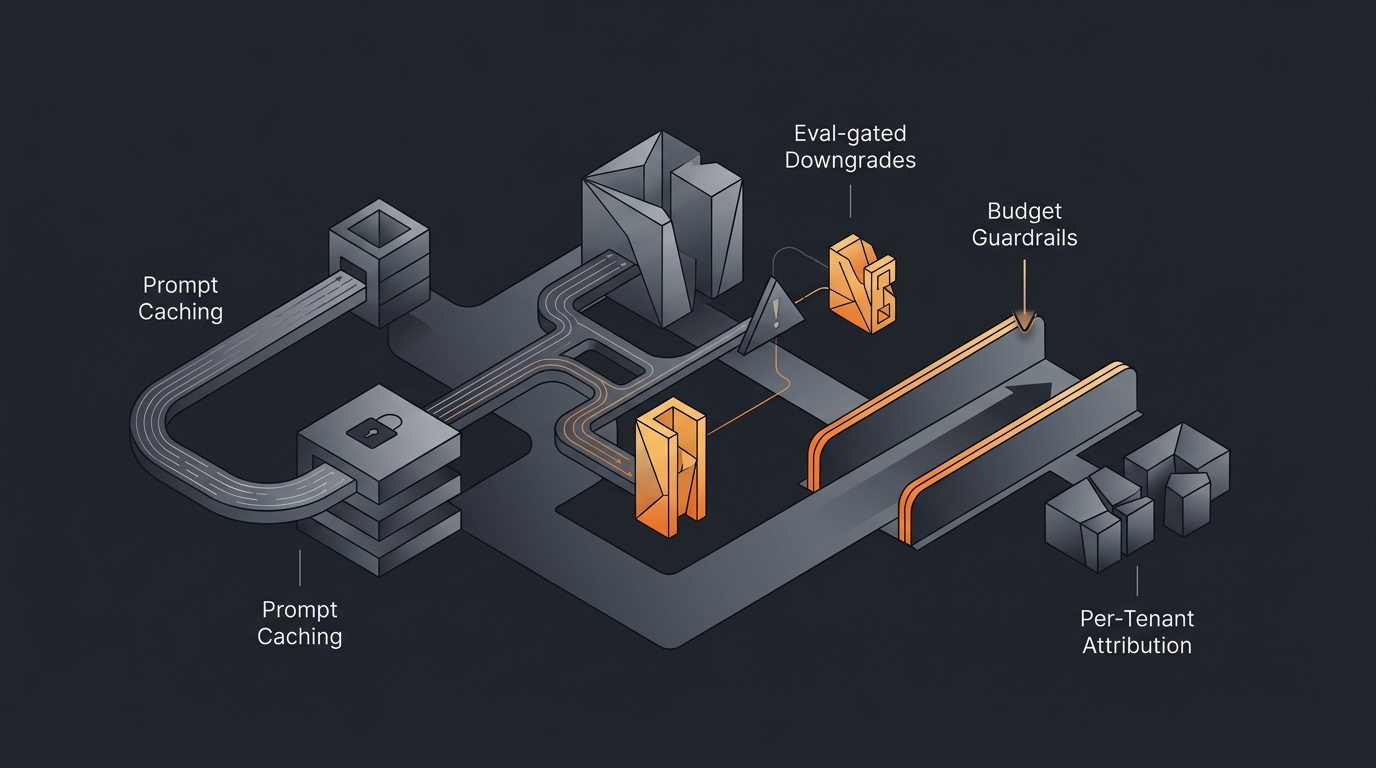
AI Agent Cost Optimization: A 2026 Tactical Playbook
This is not a primer on AI agent pricing models. The taxonomy of per-token, per-task, per-agent, and capability-based pricing already lives at AI agent cost models explained. This piece is the operational sibling.…
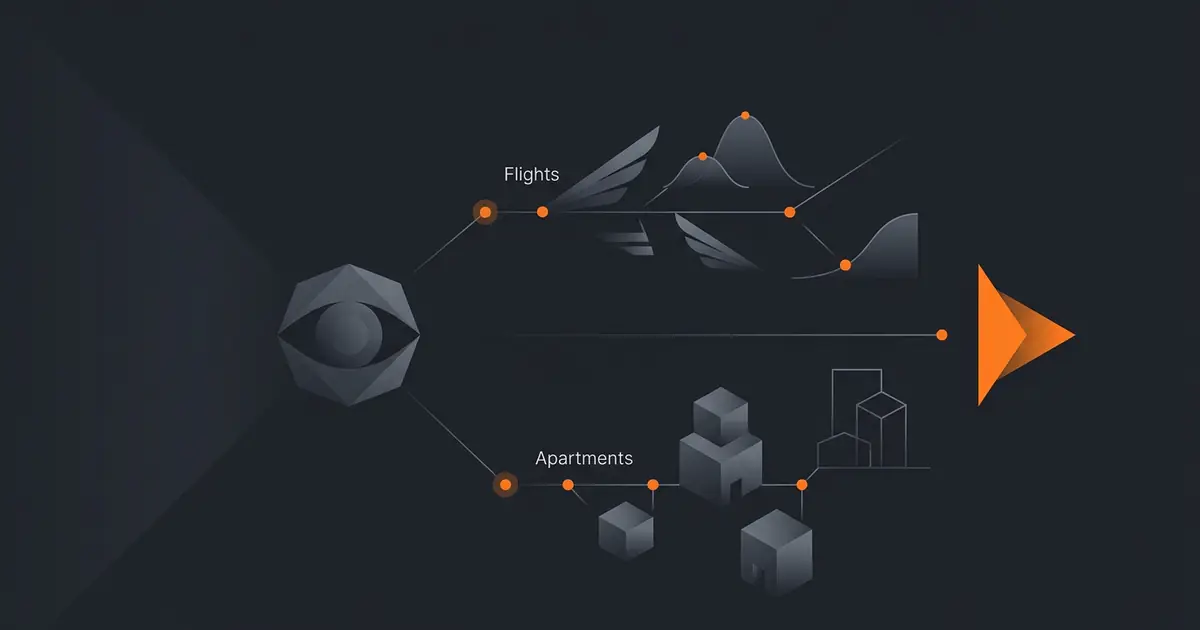
AI Agent Watch List: Apartments and Flights
A "watch list" agent is the simplest, most useful agent most people never bother to set up. It polls a small number of listings on your behalf, applies criteria you specify once, and alerts you when something…

AI Agent Newsletter from Notes: A Weekly Setup
A weekly newsletter is the most resilient distribution channel a founder has. Algorithms change; inboxes do not. The cost is the time you spend assembling the issue. An AI agent can pull that cost down without making…
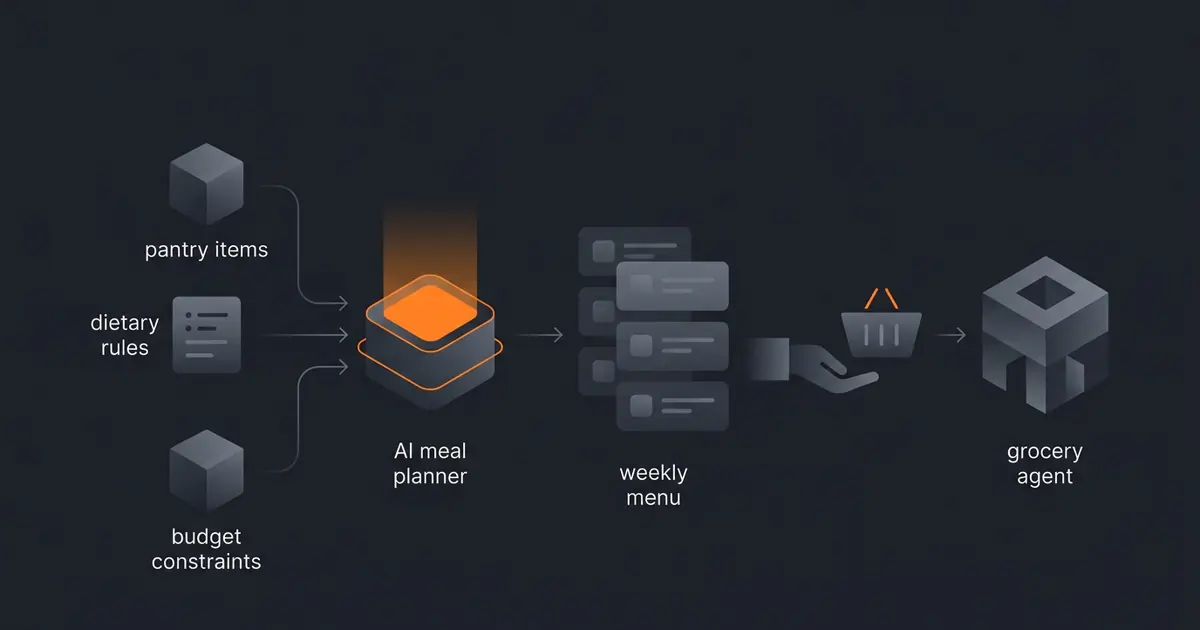
AI Agent for Meal Planning: A Weekly Setup
The pitch for a meal-planning agent is simple: 30 minutes of weekly menu work, gone. The trick is that meal planning is bound by hard physical constraints (allergens, what is in the pantry) and soft preferences…

AI Agent Trust Models: Four Levels, Audit Trails, Recovery
The first time an agent does the wrong thing in production is the day a trust model becomes a budget line. Every team eventually writes one. The question is whether you write it before the incident or after. This…

AI Agent Safety and Guardrails: Refusal, Blast Radius, Hostile Input
Safety for AI agents is structurally different from safety for chatbots. A chatbot that says something inappropriate creates a screenshot. An agent that does something inappropriate creates an incident: an email…